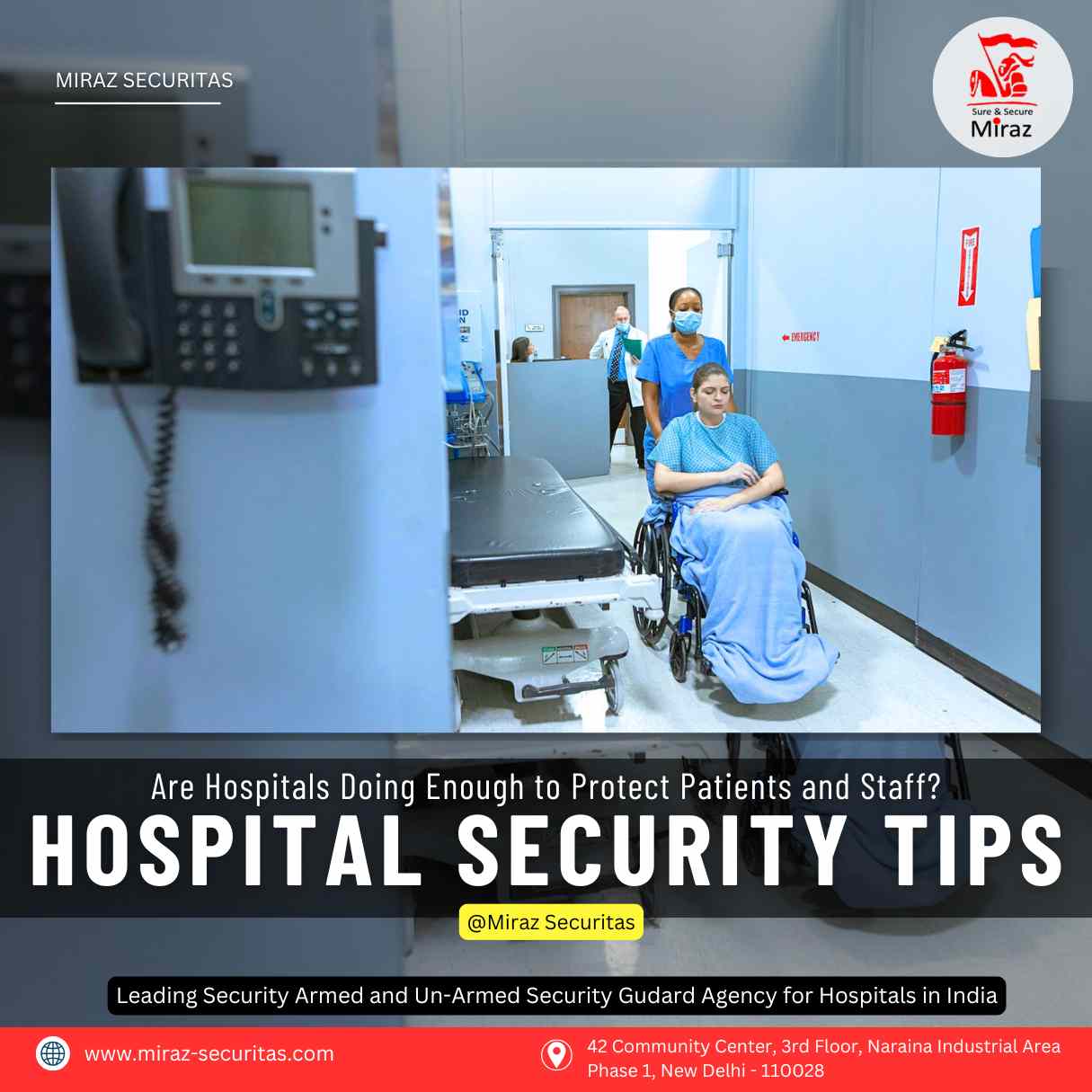
Summary
- Systemic Gaps: Effective protection is often undermined by chronic understaffing and aging infrastructure, which turn theoretical safety protocols into practical failures.
- Staff Vulnerability: True hospital safety must include the physical and psychological protection of frontline workers, as their well-being is the foundation of patient care.
- Accountability Culture: Hospitals must move beyond secrecy toward a “just culture” of transparency, using medical errors as essential data for systemic improvement rather than individual blame.
The modern healthcare system is often described as a sanctuary of healing, yet the environment within hospital walls is fraught with invisible risks. From the threat of healthcare-associated infections to the rising tide of workplace violence, the safety of both those receiving care and those providing it has become a central debate in public health.
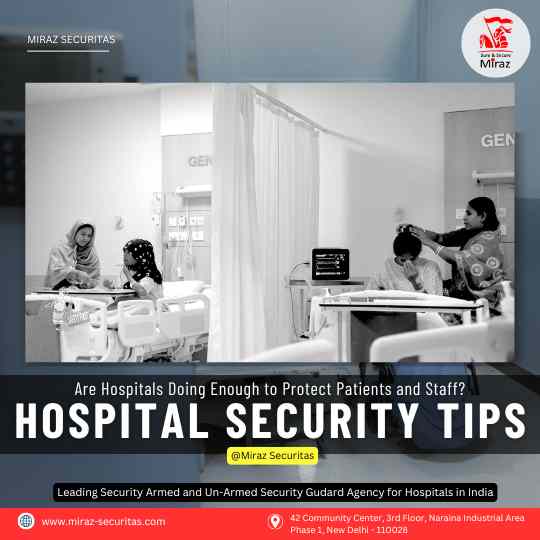
While medical technology has advanced at a blistering pace, the structural and systemic safeguards required to protect human lives from preventable harm are frequently lagging behind shares Miraz Securitas which a security guard agency for Pvt and Govt hospitals in Delhi, Gurugram and NOIDA.
Is the Current Investment in Safety Truly Meeting the Scale of Modern Hospital Risks?
To determine if hospitals are doing enough, one must look at the gap between established safety protocols and their daily execution. Most institutions have comprehensive handbooks and theoretical frameworks, but chronic understaffing, budget constraints, and aging infrastructure often make these goals unattainable in practice.
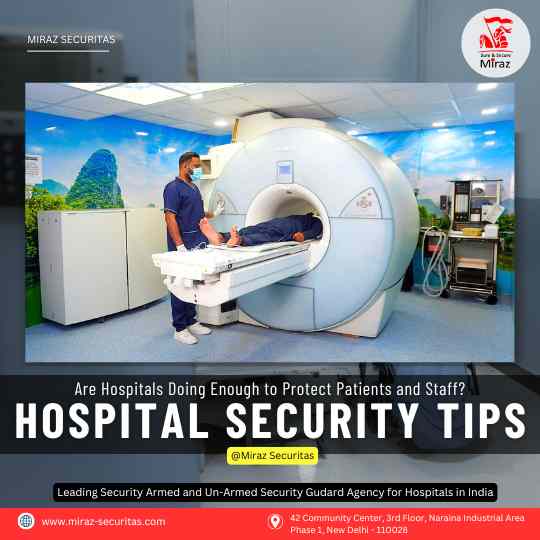
When a nurse is assigned double the recommended patient load or a facility lacks advanced ventilation systems, the “safety net” becomes a sieve. True protection requires more than just policy; it demands a radical shift in how hospitals prioritize the physical and mental well-being of their occupants over the bottom line of operational efficiency.
Mr. Atul Mahajan, Director of Miraz Securitas, says “Safety in a hospital is not a checklist on a wall, but the silent promise that the hands meant to heal will never be the ones to harm.”
The Invisible Crisis of Healthcare-Associated Infections
A primary measure of patient safety is the ability of a hospital to prevent a patient from acquiring a new illness during their stay. Despite rigorous sterilization protocols, thousands of patients globally suffer from infections caught within clinical settings.
Protecting patients from multi-drug resistant organisms requires more than just hand sanitizer; it necessitates expensive upgrades to automated disinfection systems and the implementation of high-tech environmental monitoring. Hospitals that fail to invest in these preventative technologies are essentially leaving patient safety to chance, suggesting that current efforts are often reactive rather than proactive.
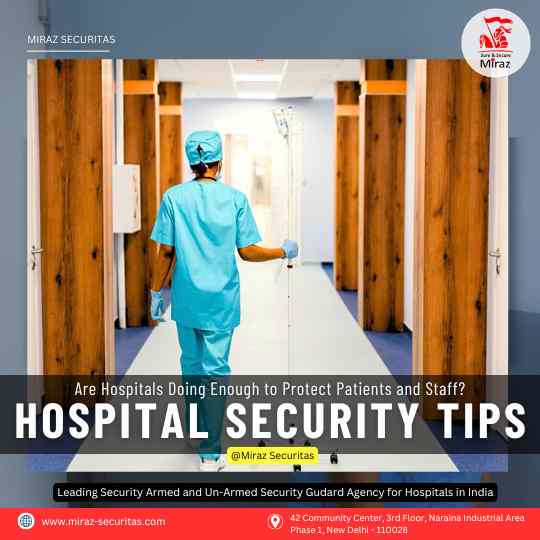
Safeguarding the Mental and Physical Health of Staff
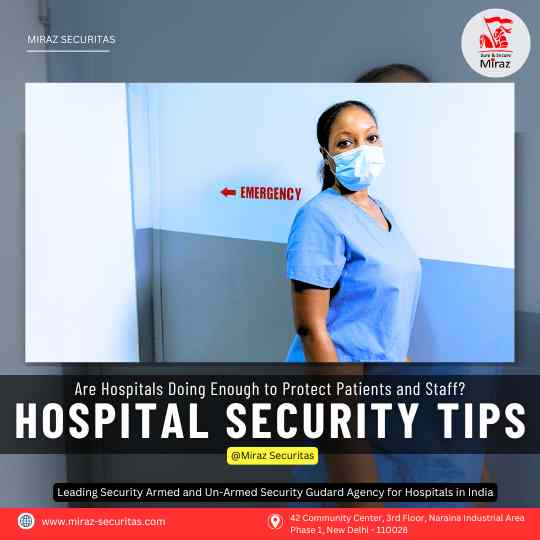
The safety of healthcare workers is intrinsically linked to the quality of patient care. In recent years, the medical profession has seen a sharp increase in physical assaults and verbal abuse directed at frontline staff. When hospitals fail to provide adequate security personnel or panic-response systems, they signal that staff safety is a secondary concern.
Furthermore, the psychological safety of doctors and nurses—the freedom to speak up about errors without fear of retribution—is frequently stifled by rigid hierarchies. A hospital cannot claim to be safe if its own employees feel vulnerable to physical harm or professional bullying.
Technological Integration as a Shield
Modern hospitals have the opportunity to use data and technology as a protective barrier, yet adoption remains uneven. Electronic health records and AI-driven monitoring systems can flag potential medication errors or sudden changes in patient vitals long before a human eye notices them.
However, when these systems are poorly designed or cause “alert fatigue,” they can actually contribute to a less safe environment. Doing “enough” means ensuring that technology serves as a reliable assistant to the medical team, rather than a cumbersome distraction that leads to burnout and oversight.
Transparency and the Culture of Accountability
The final pillar of hospital safety is the willingness of an institution to be transparent about its failures. For decades, the healthcare industry operated under a shroud of secrecy regarding medical errors.
Hospitals that are doing enough are those that move toward a “just culture,” where mistakes are treated as data points for systemic improvement rather than opportunities for individual blame. By publicly reporting safety metrics and involving patient advocates in policy-making, hospitals can build the trust necessary to create a truly secure healing environment.

Under the successful leadership of Mr. Mahajan, Miraz Securitas Pvt Ltd today has achieved an over 100% growth rate within half a decade time. His vision for upgrading private security service has helped Miraz Securitas established a footprint PAN India. Today Miraz ,a trusted name has clients , across all market segments such as top universities, private & international schools, prestigious institutions of government of India, retail establishment, & more.
In the year 2017, Miraz Securitas won the prestigious ‘MSE 4’ ratings by global rating & research organization – CRISIL & India’s Public Sector unit NSIC for accomplishing high-performance capability & above-average creditworthiness among other Indian companies.
- Are Hospitals Doing Enough to Protect Patients and Staff? - May 5, 2026
- From Red Carpet to Real Life—Protection Without Compromise - May 2, 2026
- What Makes a Security Guard Truly Reliable? - April 19, 2026